
About Us
Why TVC?
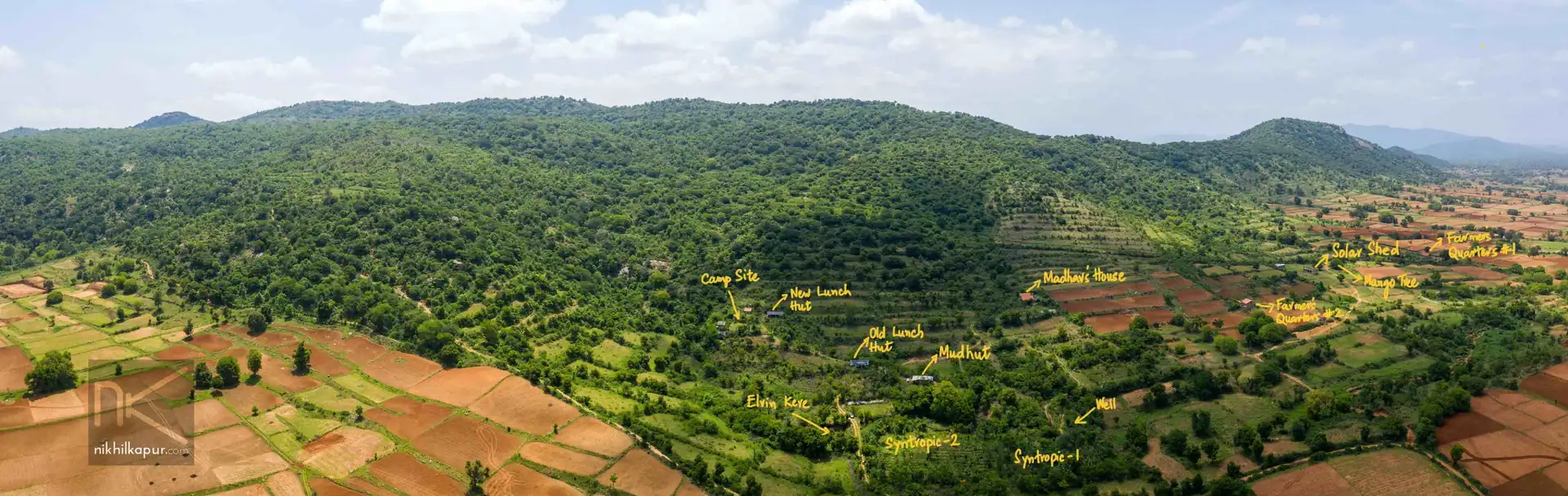
A collective of 53 families regenerating 98 acres of the Melagiri Hills.
What we stand for
Vision
To be a model for regenerating land as one ecosystem — sharing knowledge freely, and proving that a small, disciplined community can create outsized positive impact.
Mission
We unite individuals committed to sustainable living to regenerate a low-energy landscape that connects rather than competes with nature, ensuring a fair share for birds and beasts alongside our own. Through shared labor, native seed banking, and disciplined land stewardship, we aim to demonstrate that regeneration can uplift both ecosystems and neighboring communities.
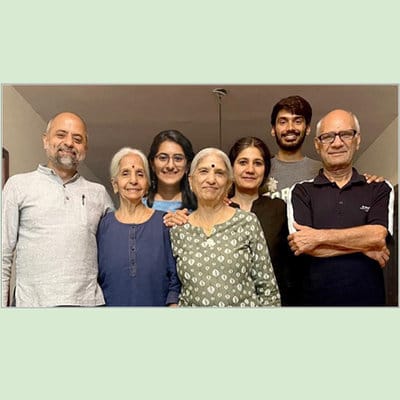
As the name indicates, TVC is a collective of like-minded people who have come together to evolve a sustainable living concept. We are currently 53 families that care about the degradation of natural resources globally and would like to experiment with a living style that reduces consumption and incorporates naturally supported cyclical systems.
The land
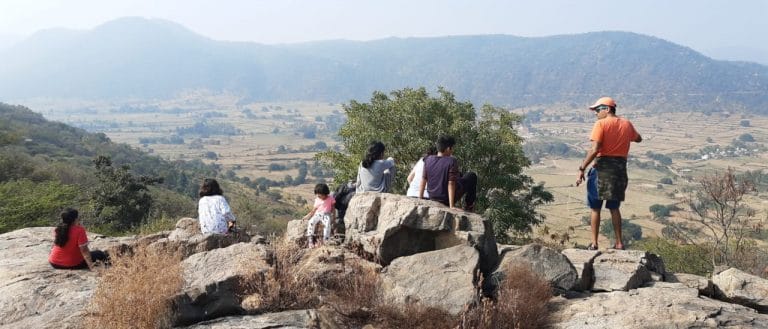
TVC is 98 acres of the Melagiri Hills, collectively owned by these families — a range straddling Tamil Nadu's Dharmapuri and Krishnagiri districts where the Eastern and Western Ghats meet, bordering Karnataka along the Cauvery. Part of the range was declared the Cauvery North Wildlife Sanctuary in 2014, and the whole landscape is a live elephant corridor connecting Bannerghatta National Park to the Cauvery — one link in a wider chain that also ties in MM Hills, BR Hills, Sathyamangalam, and the Nilgiri Biosphere Reserve.
Wide-ranging animals, elephants especially, move through it freely, since they don't recognize human-drawn boundaries; farms, roads, and settlements that fragment the corridor choke off that movement and worsen human-elephant conflict. Due to exploitative farming practices, the land was degraded when we bought it — exactly the kind of fragmentation this corridor can't afford. Since 2017, the community has been using permaculture principles to regenerate its fertility naturally: one small, verifiable piece of restoring habitat quality inside one of India's most important wildlife corridors, not just claiming to.
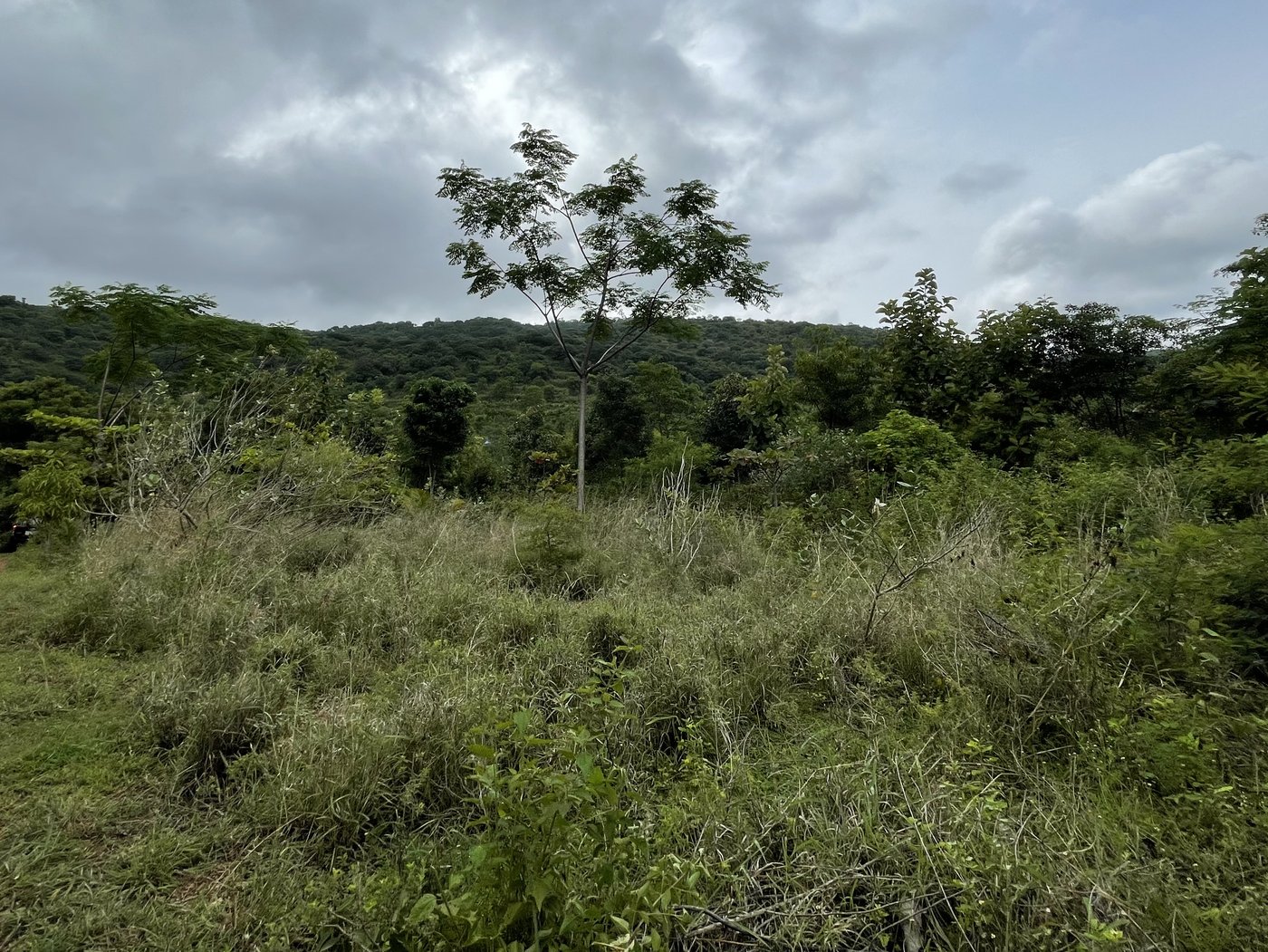
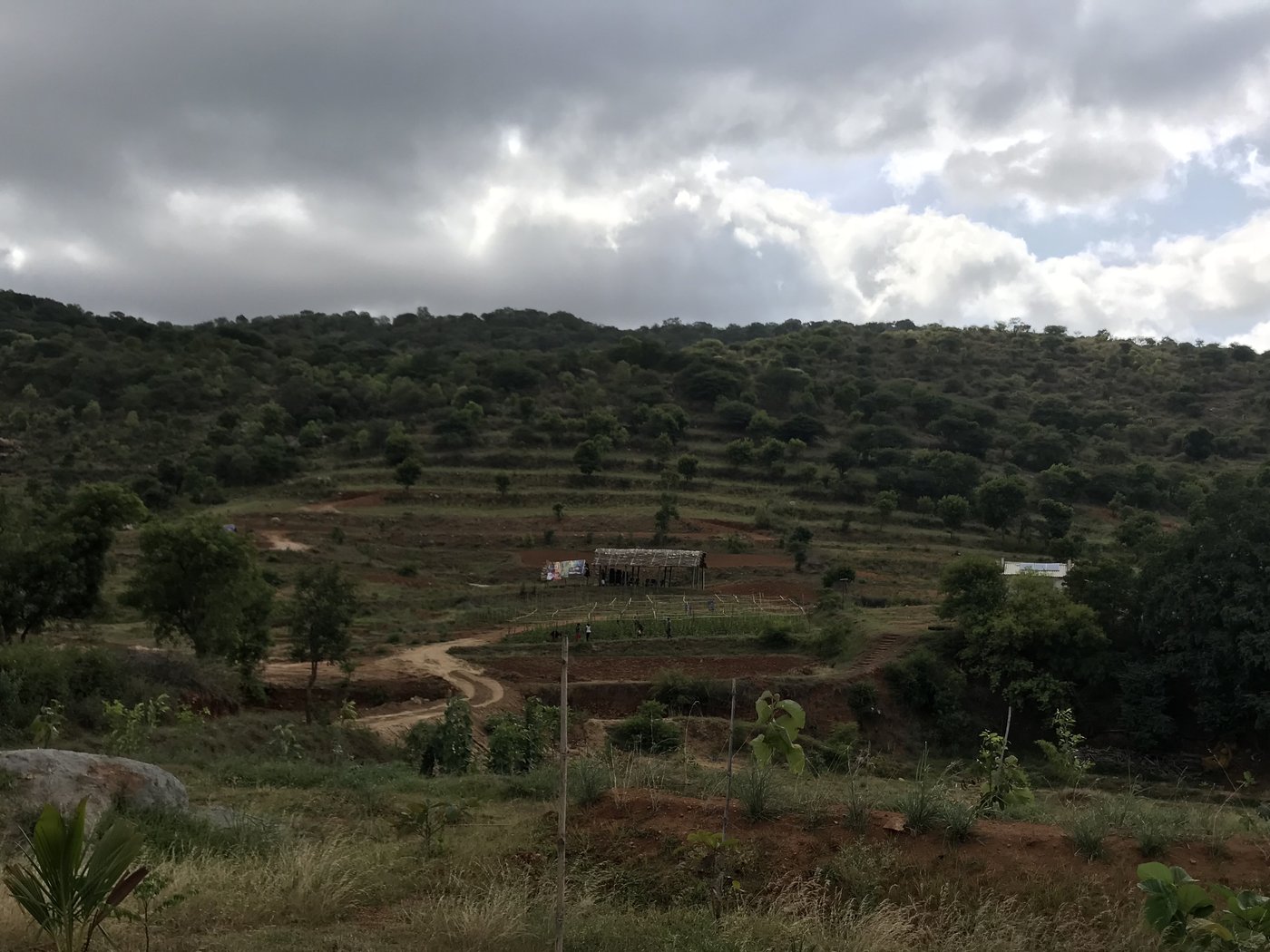
Conservationists who've visited have remarked that there's now no visible difference between TVC's regenerated land and the adjoining forest.
Farming, the TVC way
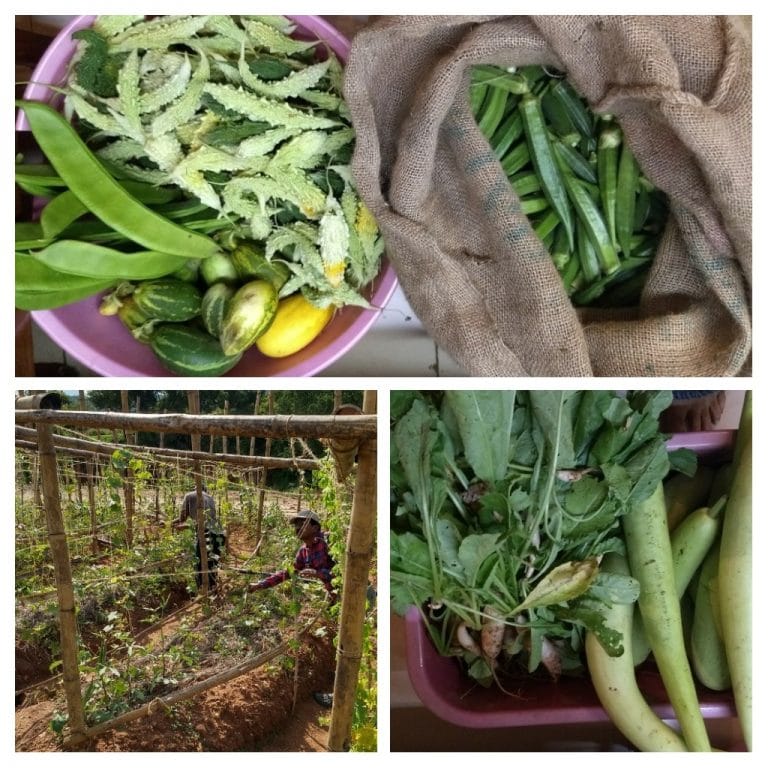
One of the core principles of the community is to practice sustainable living — meeting current food needs without harming the environment or compromising future generations' ability to meet theirs, using methods like crop rotation, integrated pest management, water conservation, and reducing chemical inputs to create resilient food systems.
Core principles & goals
- Environmental Health: Protecting soil, water, air, and biodiversity.
- Economic Profitability: Ensuring the farm remains viable for the long term.
- Social Equity: Fair treatment for farm workers and communities.
- Resource Efficiency: Minimizing non-renewable inputs and waste.
Common practices
- Crop rotation to replenish soil nutrients.
- Integrated pest management using natural predators.
- Cover crops to prevent erosion and improve soil.
- Water conservation via drip irrigation and rainwater harvesting.
- Composting & mulching to build soil organic matter.
- Agroecology — designing the farm to mimic natural ecosystems.
Industrial agriculture often prioritizes high yields through monocultures and heavy chemical use. Sustainable living aims for a holistic system instead — producing healthy food while regenerating natural resources and supporting local economies.